For the past few years, K-beauty has been taking the beauty world by storm. And for good reason: the perfect complexion of Korean women, as smooth and luminous as a mirror, is captivating. This famous "glass skin" effect – hydrated, plump, and radiant skin – is the stuff of dreams, and many are turning to Korean layering techniques to try and recreate this result at home.
But in this multi-step routine, one question often comes up: where should the serum be placed? Don't panic, we'll explain everything, step by step.
Why is Korean layering effective for the skin?
Korean layering is much more than a trend. It's a skincare philosophy centered on listening to the skin and applying gentle, targeted products. By layering products in a logical order (from lightest to richest), you optimize their absorption and address each individual skin need.
Unlike other, more minimalist Western routines, K-beauty aims for perfectly balanced skin, neither too oily nor too dry. Layering provides real long-term benefits: more supple skin, a more even complexion, and prevention of skin aging.
What are the steps of Korean layering?
Here are the classic steps of a Korean layering routine, to be adapted according to your skin type (oily, dry, combination or sensitive):
- Oil-based makeup removal: to dissolve makeup, even waterproof, without irritating the skin.
- Foaming cleanser: to remove impurities and residue. Double cleansing is a solid foundation of K-beauty.
- Gentle exfoliation (2 to 3 times a week): to remove dead cells and smooth the skin texture.
- Toner (or tonic lotion): to rebalance the skin's pH and prepare it to receive treatments.
- Essence: this aqueous treatment deeply hydrates and prepares the skin for the serum.
- Serum: it's time to treat your skin with targeted active ingredients (radiance, anti-aging, hydration…).
- Emulsion: a light moisturizing treatment that nourishes without weighing down.
- Moisturizing cream: to seal in moisture.
- Sun protection (morning only): an essential step, even on cloudy days.
Note: there are variations depending on the brand or preferences, but serum always remains at the heart of the routine.
Where does serum fit into a K-beauty routine?
The serum is applied after the essence (or toner if you don't use essence) and before the emulsion or cream. It is the "treatment" step in your routine.
Why this placement? Because after cleansing and light moisturizing, the skin is ready to receive concentrated active ingredients. And that's exactly what the serum provides. It acts like a targeted skincare "injection."
What types of products should be used for Korean layering?
Each step deserves its own specific care, but here are some K-beauty essentials to adopt:
● A gentle cleansing oil, even for the eye area. Yes, layering respects the delicate eye area.
● A pH-neutral, water-based foaming cleanser that does not dry out the skin.
● A hydrating toner enriched with soothing active ingredients.
● A light essence with natural ferments.
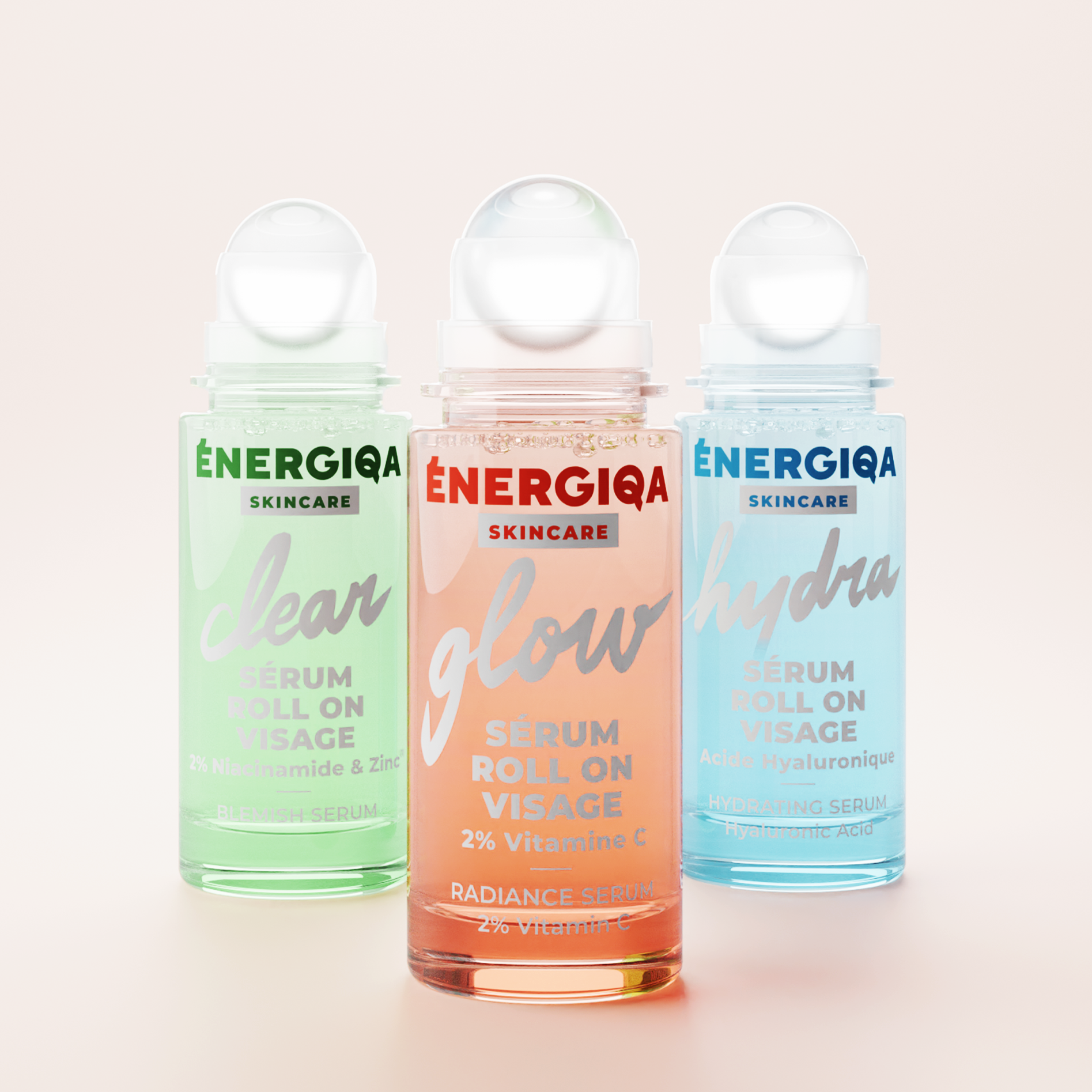
● A serum based on hyaluronic acid, niacinamide or centella asiatica.
● An emulsion if you have oily skin, or a richer cream for dry skin.
● An SPF50 PA+++ sunscreen to protect the skin barrier.
Korean layering allows for complete customization of your routine. Dry skin will lack moisture, while oily skin will need to regulate its sebum. There's a solution for every need.
How to apply products in the Korean layering method?
The important thing is gentleness and listening. Here are the recommended actions:
● Always apply skincare products to clean, slightly damp skin (especially serum and cream).
● Patting rather than rubbing: this promotes absorption without irritating the skin.
● Apply from the center of the face outwards, without forgetting the neck.
● Wait a few seconds between each layer: the skin needs time to absorb before the next step.
Layering is also a moment of well-being, a break from the daily grind. Enjoy each application to reconnect with yourself.
And what about the mask in all of this?
Masks are very popular in Korea – especially sheet masks. They can be incorporated into your routine once or twice a week, right after applying essence and before serum. They provide a boost of hydration or nourishment depending on your needs.
And if you use a sleeping mask, apply it last, instead of cream. It will act like a cocoon while you sleep.
What if I have dry or oily skin?
Korean layering is extremely versatile. It suits all skin types, provided you adjust the textures.
● Dry skin: opt for rich, creamy textures and active ingredients like squalane, ceramides, or hyaluronic acid. A lack of moisture is often the cause of a tight feeling.
● Oily skin: opt for light textures like gels and emulsions, and prioritize sebum-regulating ingredients (niacinamide, zinc, green tea). Don't skip moisturizing, even if your skin is shiny.
A perfectly placed serum for K-beauty-worthy skin
Korean layering isn't a rigid formula; it's a flexible method that can be adapted to your needs and available time. But one thing remains certain: serum plays a central role in this routine.
It is the step where we act deeply, after preparing the skin with a good cleanse, toner and essence, and before sealing everything with moisturizing treatments.
With consistency, the right products, and careful application, layering will help you achieve that coveted luminous and natural "glass skin." All this without irritating the skin; quite the opposite, in fact: by respecting it, as is the very essence of K-beauty.
At Énergiqa, we draw inspiration from the best K-beauty trends to create natural, sensorial, and effective skincare. Let your skin surprise you!