HAIR CARE
WAVY TO CURLY

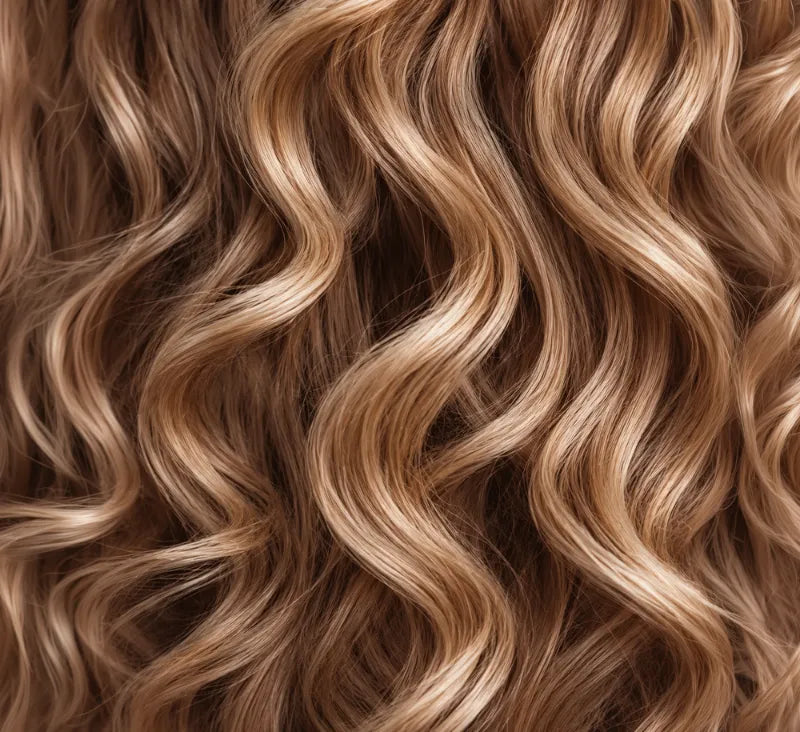
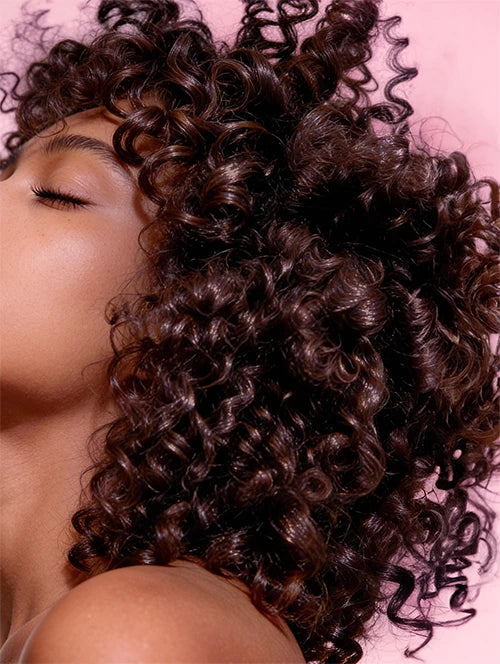
COCO CURL Nutrition Boucles, for wavy to curly hair types 2B to 3B.
Skip to results list
14 items

Filter

FREQUENTLY ASKED QUESTIONS

ABOUT THE RANGE

How do I determine my curl type?

The most commonly used classification ranges from 2A (light S-shaped waves) to 4C (very tight curls):

  • 2A: light waves
  • 2B and 2C: more defined waves
  • 3A to 3C: well-formed, flexible curls
  • 4A to 4C: curly to coily curls

The Coco Curl range from Energie Fruit was designed to cover all wavy to curly hair, from 2A to 3C, with formulas that adapt to the desired curl intensity rather than a single texture.

For tighter curls and curly to coily hair (3C to 4C), which are more prone to dryness and frizz, the Nutri Frizz range provides enhanced nutrition better suited to these specific needs.

Since it is common to have multiple curl types on one head of hair (for example, 2C at the top and 3A at the nape), the Curl Diagnosis remains the most reliable way to precisely identify your texture and avoid choosing at random. Feel free to ask us by contacting customer service and sending us photos!

How to fight frizz on curly hair?

Frizz mainly appears when curly hair lacks hydration or is handled dry or with a rough towel. The Coco Curl routine targets this issue starting with the detangling mask, rich in coconut oil and shea butter, followed by the SOS Shine Curl Oil Serum which smooths the cuticle and reduces unwanted frizz without weighing down the curl. The Curl Diagnosis identifies whether your frizz is caused by a lack of hydration or high porosity, to guide you to the right product instead of treating the symptom randomly.

Is a natural curl routine really as effective as a routine with silicones?

Yes, provided that the formula is sufficiently concentrated with natural moisturizing and detangling agents, which is the case for the entire Coco Curl and Nutri Frizz ranges. The difference with silicones lies in the duration: they provide an immediate smoothing effect but build up wash after wash, whereas well-dosed natural active ingredients truly nourish the hair fiber without this undesirable cumulative effect and penetrate deeply.

This is our belief: a natural and affordable curl routine can deliver the same visible results as a more expensive routine, without compromising on effectiveness.

How often should you redo your complete routine for well-defined curls?

It primarily depends on each person's habits, the texture of your curls, and your scalp, so there is no universal rule. As a general guideline, a full wash with shampoo, followed by conditioner or mask, about once or twice a week is recommended. This is intentionally less frequent than for straight hair because curls have a spiral structure that retains natural sebum less effectively: washing them too often could dry them out more, while a reasonable interval helps preserve their hydration and natural definition.

Between full washes, it is not necessary to redo the entire routine from the start to restore beautiful curls. This is where leave-in treatments really come into play: a few dollops of curl definition gel re-moistened with water, or a small amount of oil serum on the ends, instantly reactivate definition and revive curls that are tired or flattened from the night, without needing to shampoo. This trick is especially useful at the end of the week when curls start to lose hold but the hair doesn’t yet need a full wash.

If you’re unsure about the best washing frequency for your situation, the Curl Diagnostic takes into account your hair’s porosity: very porous hair absorbs and loses moisture more quickly, which may justify a different washing or touch-up schedule than less porous hair that retains moisture longer.